Clinical Reflections on the Transformation of an Ordinary Sheet of Paper into a Therapeutic Support
Introduction
In clinical practice, some of the most meaningful therapeutic shifts are not necessarily produced by sophisticated protocols or technically complex interventions. At times, seemingly modest tools generate profound effects because they alter the very mechanisms through which psychological suffering is maintained.
The reflections presented here emerged from work with a young man suffering from obsessive–compulsive disorder (OCD), whose symptoms were primarily organized around compulsive washing rituals and repeated ablutions. Owing to geographical distance, regular and closely spaced therapeutic follow-up was not possible. This clinical constraint raised an important question: how can continuity of therapeutic work be preserved between sessions, and how can a patient recover a sense of agency in relation to compulsive behavior in the absence of frequent clinical contact?
A Simple Clinical Device
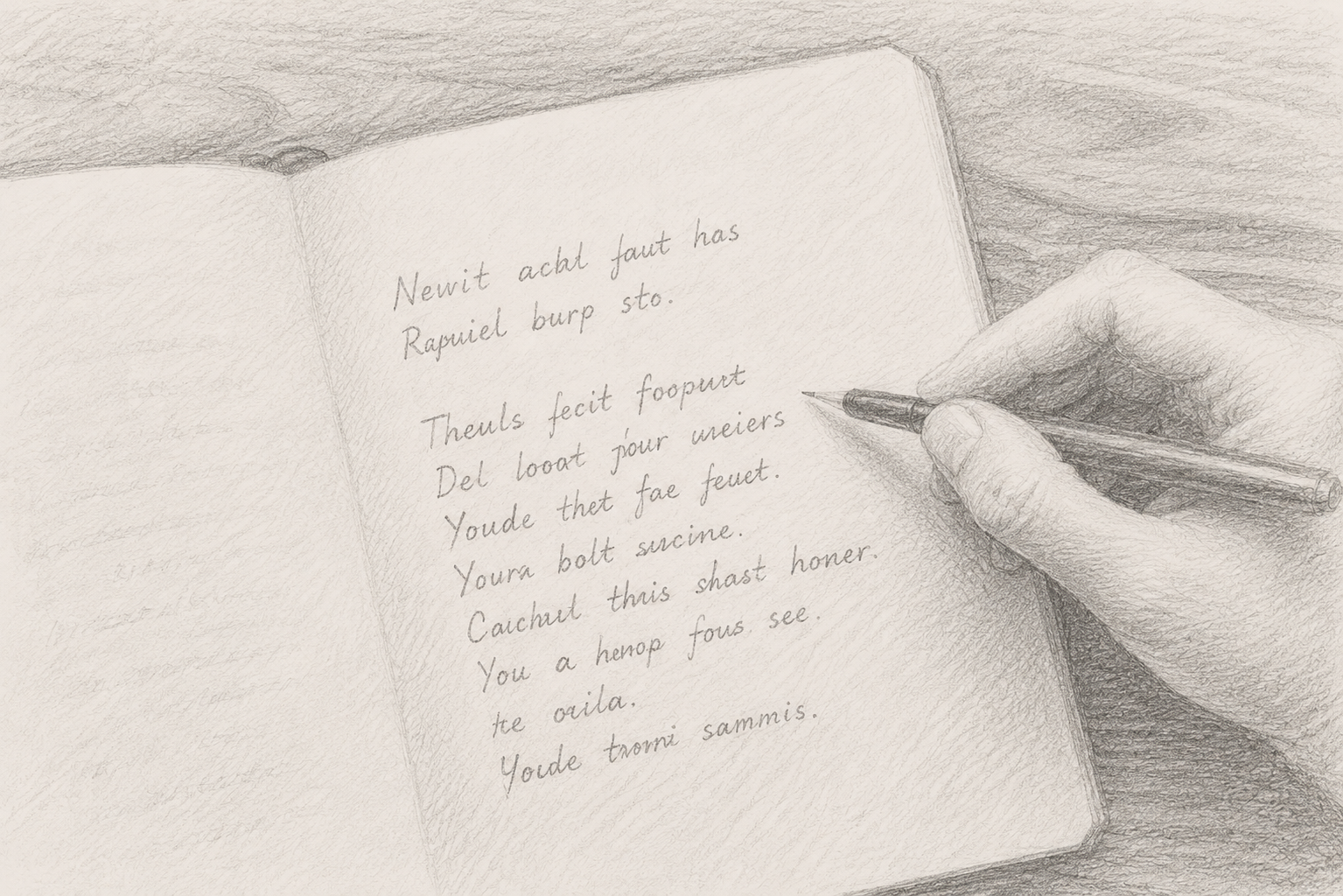
Rather than confronting the compulsive behavior directly or instructing the patient to suppress it, a simple worksheet was designed. Before engaging in any compulsive act, the patient was required to complete a brief written reflection.
The worksheet invited him to identify the intrusive thought driving the ritual, explore the perceived necessity of the behavior, examine the anticipated benefits of performing it, consider the feared consequences of resisting it, and evaluate whether the relief obtained after the ritual was in fact durable.
Although deceptively simple, this intervention introduced a significant modification into the psychopathological sequence characteristic of OCD.
Interrupting Automaticity
Compulsive rituals often unfold through an almost automatic chain of events: an intrusive thought emerges, anxiety escalates, and a ritual is performed in order to obtain temporary relief. Repetition gradually consolidates this sequence until it acquires a highly automatic quality.
The worksheet inserted a psychological space between obsession and compulsion. The patient could no longer move directly from anxiety to ritualized action. He first had to stop, observe, write, reflect, and articulate his internal experience.
From a clinical perspective, this interruption is far from trivial. Slowing an automatic process often changes its psychological status. What was previously enacted immediately becomes available for observation and reflection.
From Enactment to Observation
A second therapeutic effect emerged through the gradual transformation of compulsive behavior into an object of conscious examination.
Patients with OCD frequently experience intrusive thoughts as emotionally compelling realities that demand action. By systematically describing the obsession, the urge, and the anticipated consequences of action or inaction, the patient progressively adopted a more reflective position toward his symptoms.
The ritual ceased to be merely something he did. It became something he could observe, question, and analyze. This shift from immersion to observation represents an important therapeutic development because psychological phenomena tend to lose part of their coercive power once they become available to reflective awareness.
Introducing a Cognitive Cost
Another clinically significant aspect of the intervention concerns what may be described as the introduction of a cognitive cost.
Compulsive rituals often become rapid, efficient, and nearly reflexive. Requiring written reflection before each ritual added demands in terms of time, attention, cognitive effort, and psychological engagement. The ritual was no longer the path of least resistance.
Gradually, the patient began to experience the compulsive act itself as burdensome. Interestingly, his father later reported that the patient had become increasingly frustrated with the obligation to write before each ritual. Far from representing a failure of the intervention, this frustration may be understood as evidence that the compulsive sequence had lost part of its effortless character and had become open to reconsideration.
Restoring Psychological Agency
Perhaps the most important dimension of this experience lies in the restoration of agency.
The patient was not placed in a passive role in which he merely received instructions to stop performing compulsions. Instead, he was provided with a tool that allowed him to participate actively in observing, understanding, and gradually reorganizing his own psychological functioning.
Many individuals struggling with severe anxiety or compulsive symptoms come to experience themselves as dominated by forces beyond their control. The worksheet conveyed a different message: one can learn to observe internal processes and progressively influence the way they unfold. The therapeutic objective was therefore not limited to symptom reduction; it also involved strengthening the patient’s sense of psychological authorship and participation in the therapeutic process.
Broader Clinical Implications
This experience raises broader questions regarding the development of culturally adapted therapeutic resources. Within many clinical contexts, particularly in the Arab world, there remains a relative scarcity of structured tools capable of extending therapeutic work beyond the consultation room while remaining sensitive to the lived realities of patients.
Conversation, interpretation, and emotional support remain essential dimensions of psychotherapy. Yet some patients also benefit from concrete instruments that facilitate self-observation, promote psychological reflection, and encourage continuity between sessions.
A well-designed therapeutic tool is not merely an administrative form. It can function as a container for experience, a support for emotional regulation, a framework for reflection, and a genuine extension of the therapeutic encounter itself.
Conclusion
The development of contemporary Arabic-language therapeutic resources requires more than the mechanical translation of imported instruments. It calls for the creation of tools grounded in actual clinical practice and responsive to the cultural, social, and psychological realities of those who use them.
This case illustrates how a remarkably simple intervention can alter the dynamics of obsessive–compulsive functioning. By creating a small but meaningful space between thought and action, the worksheet opened the possibility of a different relationship to anxiety, ritual, and ultimately to the self. In some instances, such a space may represent the beginning of a profound therapeutic transformation.
How to cite this article
You may use the following reference to cite this article:
Last updated: 13 June 2026